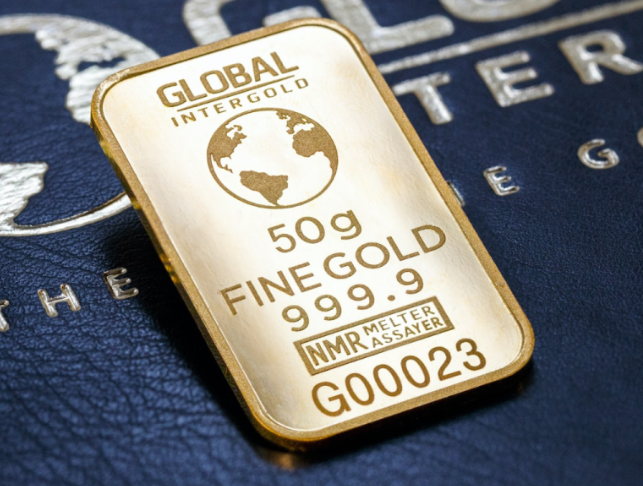
Investing is a fundamental part of personal financial planning, and one investment option that has gained prominence in recent years is investing in precious metals. Investors worldwide have sought after precious metals like gold, silver, platinum, and palladium because of their stability and lasting value. In this guide, we will delve into precious metals as an investment option for beginners, discussing the types of metals, reasons for investing, how to begin, and the associated risks.
Why Invest in Precious Metals?
1. Portfolio Diversification
One of the main reasons to invest in precious metals is portfolio diversification. Diversification is the practice of spreading your investments across different assets to reduce risk. Precious metals have a generally low correlation with other assets such as stocks and bonds, meaning their prices are not directly tied to stock market movements. Therefore, when other assets may be performing poorly, precious metals can maintain or increase in value, helping to safeguard your wealth.
2. Store of Value
Precious metals are known for their ability to hold value over time. Historically, gold, for example, has been used as a store of value for centuries. During times of economic uncertainty, high inflation, or political instability, investors often turn to precious metals as a safe haven to protect their money. These metals have a limited supply and are widely recognized as having intrinsic value.
3. Protection Against Inflation
Inflation is the rate at which the purchasing power of a currency erodes over time. Precious metals have the ability to protect against the erosion of purchasing power due to inflation since their prices generally rise during periods of high inflation. This means that by investing in precious metals, you can maintain the real value of your money even when prices of goods and services are rising.
Types of Precious Metals
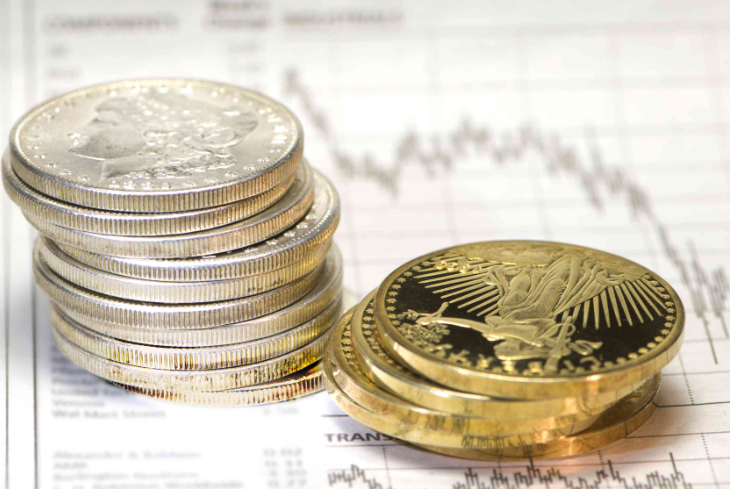
There are several types of precious metals that investors may consider, with the most popular ones being:
1. Gold
Gold is arguably the most well-known and widely accepted precious metal as a store of value. Its brilliant color and resistance to corrosion make it highly desirable. Investors typically buy gold in the form of bars, coins, or even jewelry.
2. Silver
SiIver is another popular precious metal that is more affordable than gold. SiIver is used in various industrial applications, which can influence its price. Investors can purchase silver in various forms, including silver coins and silver bars.
3. Platinum
Platinum, although less common as a precious metal, holds value for its rarity and industrial applications. It surpasses gold and silver in terms of price and frequently finds use in crafting high-quality jewelry. Investing in platinum can be an option for those looking to further diversify their portfolio.
4. Palladium
The automotive industry primarily uses palladium because of its catalytic properties. However, investors have shown growing interest in it as a precious metal in recent years.
How to Invest in Precious Metals
Investing in precious metals can be done in various ways, and the choice depends on individual preferences and available resources. Here are some options for investing in precious metals:
1. Physical Metal Ownership
A direct way to invest in precious metals is by purchasing physical metal, such as bars or coins. Many banks and brokerages offer the option to buy gold, silver, platinum, and palladium. It’s important to securely store these metals, which may involve using private vaults or specialized storage services.
2. Exchange-Traded Funds (ETFs)
ETFs are investment funds that trade on stock exchanges just like stocks. There are ETFs that track the price of precious metals, such as the SPDR Gold Trust (GLD) for gold. Investing in ETFs is a more liquid and convenient option than buying physical metals, as ETFs can be easily bought and sold through brokerages.
3. Futures Contracts
Futures contracts are agreements to buy or sell a specific quantity of an asset at a defined price on a future date. Precious metals futures contracts allow investors to speculate on price movements but are also considered higher-risk investments due to the leverage involved.
4. Mining Company Stocks
Investing in stocks of precious metals mining companies is another indirect way to gain exposure to these assets. The performance of these stocks is correlated with metal prices. Before investing in mining company stocks, it’s important to research and assess the company’s prospects.
Tips for Beginners
If you are considering investing in precious metals as a beginner, here are some important tips to consider:
1. Educate Yourself
Before investing, it’s essential to understand the fundamentals of the precious metals market. Read books, articles, and take courses to gain a solid understanding of the subject.
2. Set Goals
Set clear goals for your precious metals investments. Determine whether you are seeking capital growth, protection against inflation, or portfolio diversification.
3. Consult a Professional
Consider consulting a financial advisor or a precious metals expert. They can help you create an investment strategy that aligns with your financial goals.
4. Start Small
If you are new to buying precious metals, start with a small investment and gradually increase it as you gain confidence and knowledge in the market.
5. Secure Storage
If you choose to buy physical metals, make sure to store them securely in appropriate locations, such as private vaults or specialized storage services.
Risks of Investing in Precious Metals
While precious metals can offer many benefits as an investment, it’s also important to be aware of the risks involved. Some of the risks include:
1. Price Volatility
Precious metals prices can be volatile and subject to significant fluctuations over time.
2. Storage Costs
Storing physical metals can incur additional costs, such as safe deposit box rental or security services.
3. Risk of Theft or Loss
There is always the risk of theft or physical loss of stored precious metals.
Conclusion
Investing in precious metals can be a solid portfolio diversification and protection against inflation strategy. However, it’s important to understand the market fundamentals, different types of metals, and the risks involved before investing. As a beginner, it’s advisable to start slowly, educate yourself, and consider guidance from a financial professional. With proper care and research, precious metals can play a valuable role in your overall investment strategy.
Remember that any investment carries risks, and results may vary. Always conduct your own research and consider your personal financial goals before investing in precious metals or any other financial asset.
Read More:
Disney’s Plan to Nearly Double its Investment in Parks and Cruises Business