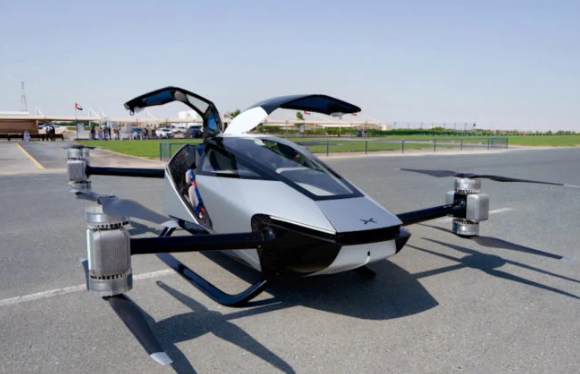
In recent years, the world has witnessed incredible technological advancements in various fields. One of these advances that has captured the imagination of many is the development of flying cars. This idea, which has long been considered something straight out of science fiction movies, is becoming an increasingly tangible reality. In this article, we will explore the potential of investing in flying cars, analyzing the key players in the market and the challenges they face. Let’s take off on this journey!
The Revival of Flying Cars

The concept of flying cars is not new. It has been a recurring element in popular culture and human imagination for decades. However, only recently have significant technological advancements brought this idea closer to reality.
Companies like Uber, Joby Aviation, and Terrafugia are leading the flying car revolution. These companies are working on electric Vertical Takeoff and Landing (eVTOL) vehicles that have the potential to revolutionize personal and urban transportation.
The Potential Market
The flying car market has significant potential. With the increase in urbanization and traffic congestion in major cities, the demand for more efficient and rapid transportation solutions has never been higher. Flying cars promise to alleviate this issue by adding a vertical dimension to urban transportation.
Furthermore, the flying car market is not limited to passenger transportation alone. There are also opportunities in logistics and cargo transportation. Consider the rapid delivery of products achievable through the utilization of flying vehicles for cargo transport.
Key Players in the Market
For investors interested in flying cars, it’s important to know the key players and their approaches. Here are some leading companies in this field:
1. Uber Elevate
Uber is known for revolutionizing the transportation industry with its ride-sharing app. Now, the company is aiming for the skies with Uber Elevate. The company is developing partnerships with aircraft manufacturers and plans to launch a network of air taxis using electric flying cars.
2. Joby Aviation
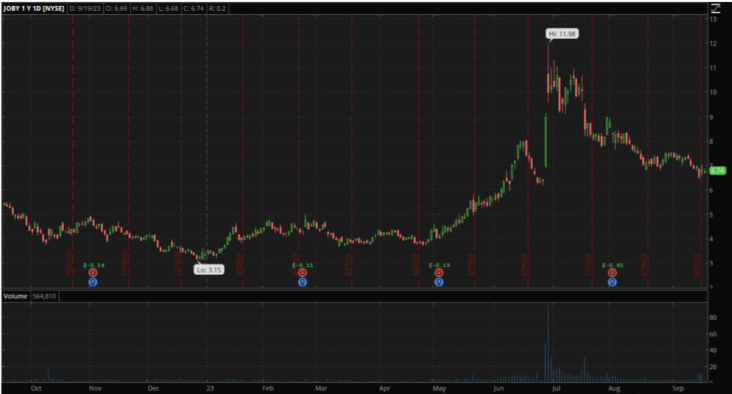
Joby Aviation is a startup that develops eVTOL vehicles. The company is focused on creating an urban air transportation network and has attracted significant investments from Toyota and Uber.
3. Terrafugia (a Boeing Company)
Terrafugia, a subsidiary of Boeing, is working on hybrid vehicles that can be driven on roads and flown in the air. This could offer an intriguing solution for those looking for a versatile vehicle.
4. EHang
EHang, a Chinese company renowned for its autonomous passenger drones, is actively engaged in the development of numerous flying car projects while concurrently exploring opportunities in various international markets.
5. Volocopter
Volocopter, based in Germany, is developing eVTOL vehicles with a focus on urban mobility and cargo logistics. They have already conducted successful tests in various cities around the world.
Challenges and Considerations
While the flying car market holds promise, it is not without significant challenges:
1. Regulations
Undoubtedly, one of the primary impediments to the widespread acceptance of flying cars revolves around the imperative necessity for comprehensive and well-structured regulations. On a global scale, aviation regulatory authorities are diligently and assiduously engaged in the arduous task of formulating, crafting, and putting forth meticulous guidelines. These regulatory measures are unequivocally geared toward guaranteeing and safeguarding not only the safety but also the seamless coexistence of these innovative airborne vehicles within the shared airspace.
2. Infrastructure
To make flying cars a reality, we require significant investments in infrastructure, including the development of urban heliports and the establishment of air traffic management systems.
3. Costs
Flying cars are still expensive to produce, and maintenance and operational costs can be high. This may limit access to this form of transportation to a more affluent audience initially.
4. Public Acceptance
Public acceptance is also a critical factor. People need to be willing to use flying cars and trust the technology. This may take time and public education.
Investment Potential
Investing in flying cars can be a bold move, but it comes with the potential for significant rewards. As more companies enter the market and regulations become clearer, investor interest is growing.
Portfolio Diversification
Investing in flying cars can indeed serve as a strategic approach to diversify your investment portfolio significantly. This is due to the fact that it represents an innovative sector, brimming with the potential for explosive growth, making it inherently appealing to investors who are open to embracing a degree of risk.
Tracking Trends
For investors who are keen on entering the flying car market, it is imperative that they vigilantly keep tabs on prevailing industry trends and ongoing developments. Conducting comprehensive research and gaining a profound understanding of the companies participating in this sector is absolutely essential for making informed investment decisions.
Responsible Investment
As with any rapidly growing technology sector, it’s important to invest responsibly and consider the risks. The flying car market is still evolving, and companies may face unforeseen challenges.
Conclusion
Investing in flying cars is an exciting opportunity, but not without challenges. The market is constantly evolving, and public acceptance and regulations play a crucial role in its long-term success. Investors should carefully consider their risk appetite and conduct in-depth research before making any investment decisions. With the potential to transform the way we move around cities, flying cars represent an exciting chapter in the future of urban mobility.
Read More:
‘Magnificent Seven’ investing playbook: Microsoft is an aircraft carrier ‘at its apex,’ analyst says