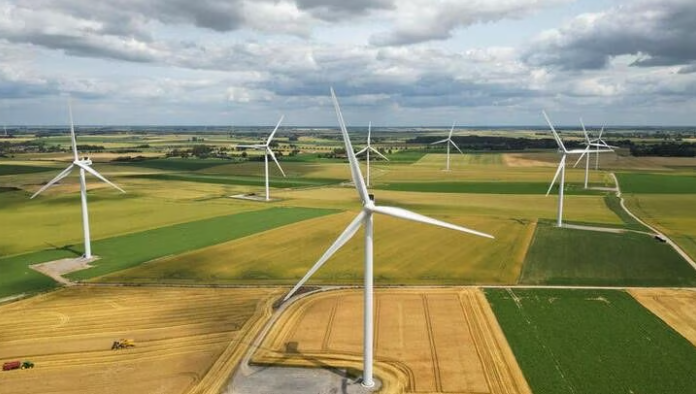
In recent years, the world has witnessed an alarming increase in climate change and environmental degradation. The growing awareness of the impacts of global warming has placed increasing pressure on governments, companies, and investors to adopt more sustainable measures. One of the responses to this pressure has been the surge in investments in clean energy. However, in 2023, it appears that the enthusiasm surrounding these investments may be waning, even in the face of the urgent climate crisis.
In this article, we will examine the factors that have contributed to the declining interest in clean energy investments, analyze the challenges facing this sector, and discuss whether this trend poses a real threat to climate change mitigation efforts.
The Boom in Clean Energy Investments
Over the past decade, investments in clean energy have experienced significant growth. Technological innovations and policies promoting renewable energy have led to a steady increase in investments in solar, wind, hydroelectric, and other forms of clean energy. Investors were eager to be a part of this energy revolution, not only in pursuit of financial returns but also to contribute to reducing carbon emissions.
Current Challenges
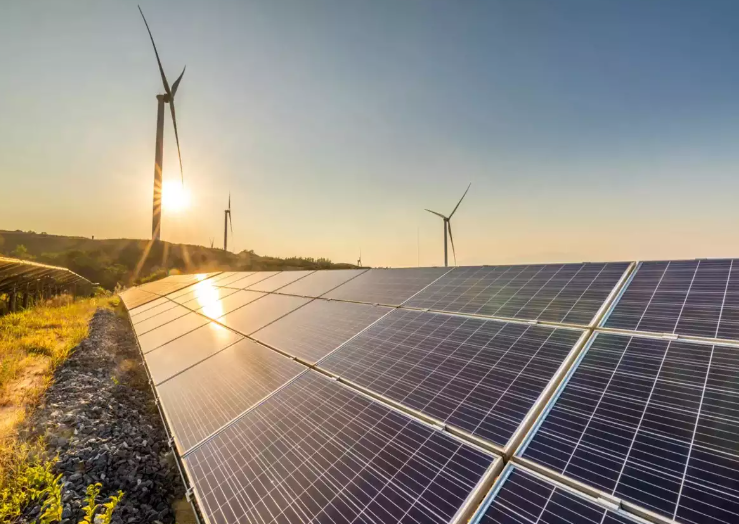
However, in 2023, it appears that the enthusiasm for clean energy investments may be diminishing. Several challenges have contributed to this trend:
1. High Initial Costs
One of the primary barriers to clean energy investments is the high initial cost of deployment. While the costs of generating energy from renewable sources have decreased over the years, the initial investment in facilities and infrastructure remains a hurdle for many.
2. Dependency on Government Subsidies
Many clean energy projects rely on government subsidies and incentives to be financially viable. This dependence makes investments vulnerable to changes in politics and budgeting. If governments decide to reduce or eliminate these incentives, investments in clean energy may become less attractive.
3. Variability in Weather Conditions
Generating energy from sources like solar and wind is highly dependent on weather conditions. The lack of predictability and variability in energy sources can make investments riskier.
4. Competition with Fossil Fuels
While interest in clean energy has grown, fossil fuels still play a dominant role in the global energy mix. Competition with established fossil fuels makes it challenging for clean energies to gain significant market share.
5. Energy Storage Issues
Energy storage capacity is crucial for ensuring a continuous supply of electricity from intermittent sources like solar and wind. Significant advancements in energy storage technologies are needed to make clean energies more reliable and competitive.
The Climate Crisis Persists
Despite the challenges mentioned, the climate crisis has not disappeared. Scientific evidence that climate change is underway and poses a serious threat to the planet is overwhelming. Therefore, the question arises: can we truly afford to lose enthusiasm for clean energy investments?
The Role of Governments
Governments play a crucial role in determining the course of clean energy investments. Favorable public policies, tax incentives, and stringent environmental regulations can stimulate the growth of this sector. On the other hand, a lack of government support can hinder efforts to combat climate change.
Corporate Commitment
In addition to governments, many companies have committed to adopting more sustainable practices and investing in clean energy as part of their corporate social responsibility. This not only contributes to reducing carbon emissions but can also be a smart business strategy as consumers become increasingly aware of the environmental impact of their choices.
The Importance of Technological Innovation
One of the ways to overcome the challenges associated with clean energy investments is through technological innovation. As technologies improve and become more efficient, costs can decrease, and reliability can increase. Innovations in energy storage, carbon capture, and energy efficiency are critical areas for the future of the sector.
Conclusion
While enthusiasm for cIean energy investments may have waned in 2023, the climate crisis remains an urgent threat that cannot be ignored. It is essential for governments, companies, and investors to continue seeking solutions to address the challenges hindering the growth of this sector. Transitioning to a cleaner energy matrix is crucial to limit global warming and protect our planet for future generations.
In this context, it is important to remember that cIean energy investments are not only a matter of financial return but also of environmental responsibility and long-term sustainability. Overcoming current obstacles will require a collective effort and ongoing commitment from all sectors of society. It is time to rekindle enthusiasm for clean energy investments and accelerate the transition to a more sustainable future.
Read More:
Investing in the Future: Flying Cars